Spinal cord stimulation (SCS)
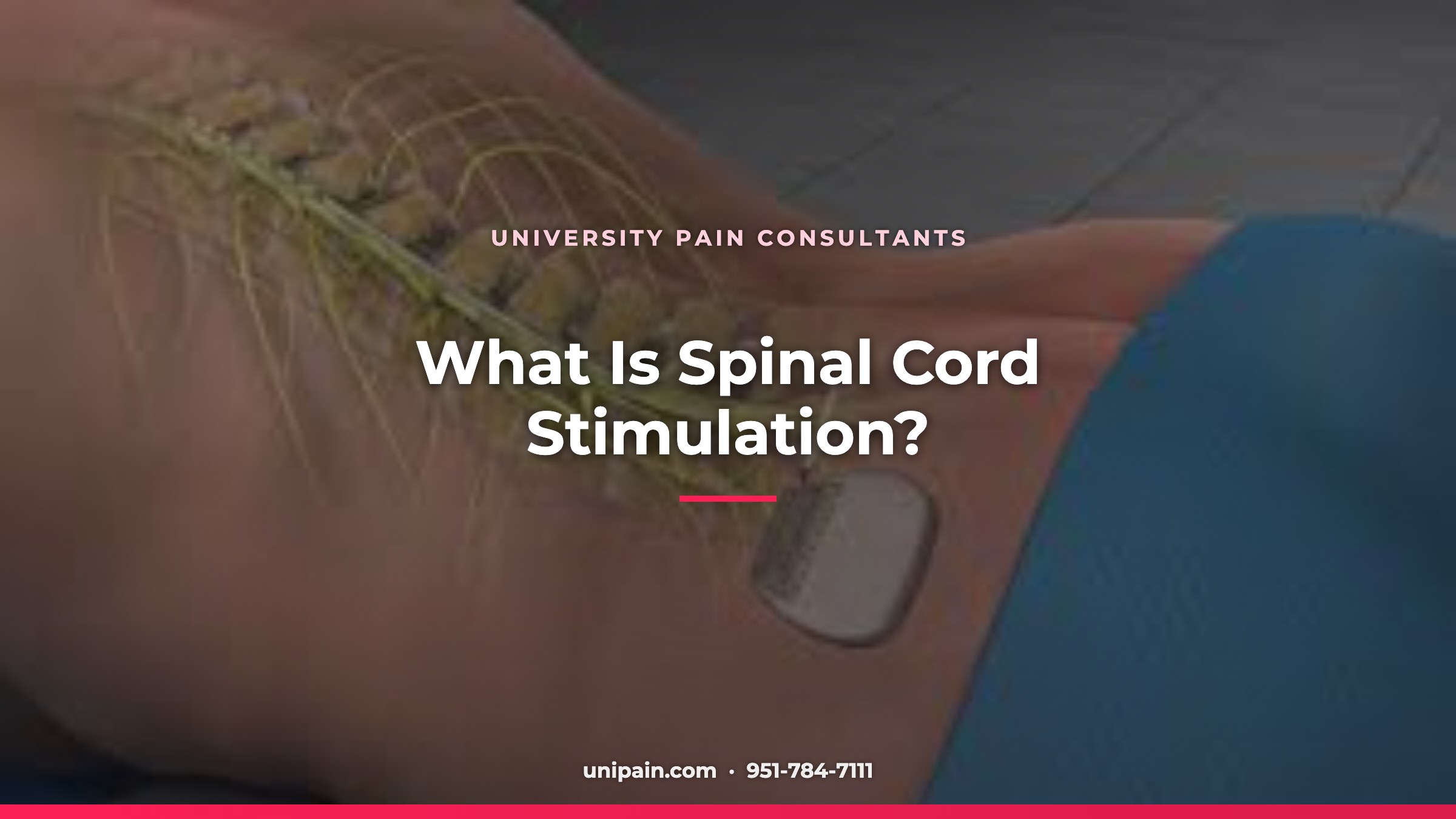
SCS is a relatively new, minimally invasive procedure that has been proven to provide relief from chronic pain. The process involves implanting a small device in the spine that delivers electrical impulses to the spinal cord and surrounding tissue. The stimulation helps to block signals of pain and reduce inflammation in the affected area. SCS has been used to treat a variety of chronic pain conditions, including back pain, neck pain, and complex regional pain syndrome. It’s an effective treatment for those who have not found relief through other methods, such as medications, physical therapy, and lifestyle changes. When considering SCS, it’s important to consult with a qualified healthcare professional to determine if it’s the right option for you. In general, this procedure is best suited for those with chronic pain that has not responded to other treatments. It’s important to note that SCS is not a cure-all, and it may not be effective for some patients. The procedure itself is relatively simple. A small medical device is implanted under the skin near the spine. This device is connected to leads, which are then connected to the spinal cord. Once everything is in place, the device can be programmed to deliver electrical impulses to the nerves in the area to help block pain signals. The greatest benefit of SCS is that it can provide long-term relief from chronic pain without the need for medications or surgery. It can also reduce the need for painkillers, which can be addictive and have serious side effects. Overall, SCS is an effective option for those suffering from chronic pain that has not responded to other treatments. If you’re interested in this procedure, you may consult with a physician at University Pain Consultants to determine if it’s the right option for you.
For the current page, see our spinal cord stimulator trial and implant information.
The SCS Trial: Testing Before You Commit
One important aspect of spinal cord stimulation that distinguishes it from many other procedures is the availability of a trial period. Before a permanent device is implanted, most patients undergo a temporary trial lasting several days to a couple of weeks. During this time, the leads are placed but the pulse generator remains external. This allows both patient and physician to assess how well the stimulation controls pain in real daily life before making a long-term decision.
If the trial provides meaningful relief, the permanent system is then implanted in a separate procedure. If it does not help sufficiently, the trial leads can be removed without a lasting commitment. This built-in evaluation step is one reason SCS is considered a relatively cautious option among interventional pain treatments. Speak with a qualified pain specialist to find out whether you might be a good candidate for a trial.
Modern SCS technology has advanced considerably, with options including high-frequency, burst, and dorsal root ganglion (DRG) stimulation. The best approach depends on the location and nature of your pain, and your physician can help guide that discussion.
Frequently Asked Questions
Is spinal cord stimulation a permanent procedure?
The implant is designed to be long-term, but the system can be adjusted, reprogrammed, or in most cases removed if necessary. Unlike some surgical procedures, SCS is considered reversible in that the hardware can be explanted. Battery life varies by device and usage settings, and a generator replacement procedure may be needed after several years.
Does spinal cord stimulation hurt?
The implant procedure is typically performed under light sedation with local anesthesia. Patients often experience some soreness at the incision sites for a week or two after surgery. During stimulation, older devices may produce a mild tingling sensation, while newer waveforms are often sub-perception, meaning patients feel little to nothing during active therapy.
What conditions besides chronic back pain can SCS treat?
SCS has been used for a range of conditions beyond low back pain, including failed back surgery syndrome, complex regional pain syndrome (CRPS), diabetic peripheral neuropathy, and sciatica that has not responded to other treatments. Candidacy depends on the specific diagnosis, prior treatments tried, and overall medical history, so a thorough evaluation is essential.
Related Reading
Hamilton Chen, MD
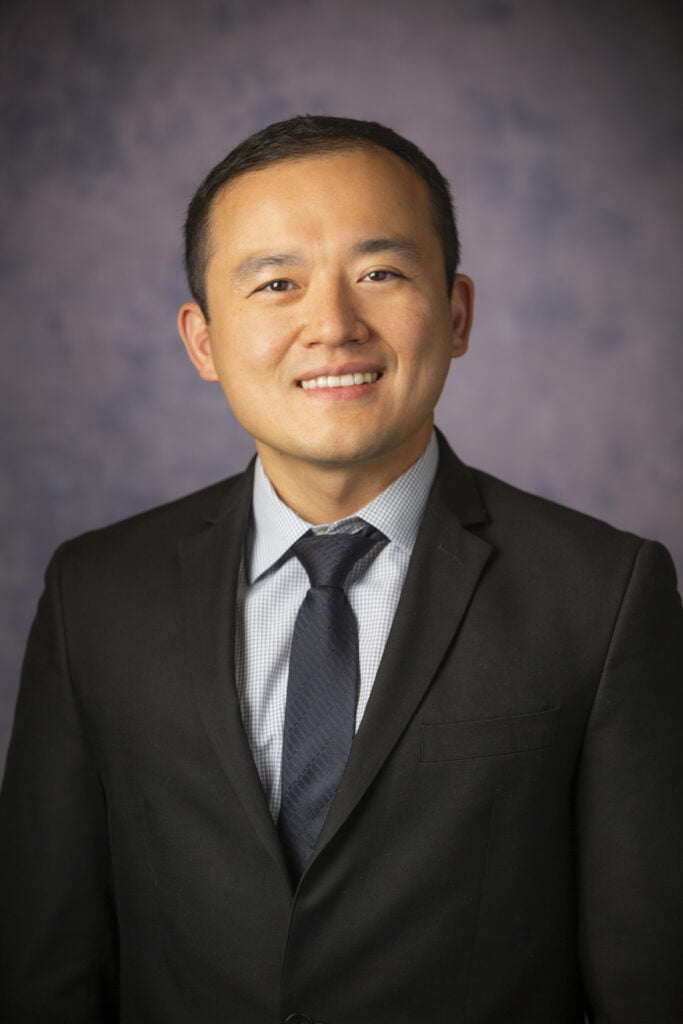
Dr. Hamilton Chen is double board-certified in physical medicine and rehabilitation and comprehensive pain medicine. He was one of the founding physicians of the University of California, Riverside comprehensive pain management clinic, completed his residency at UC Irvine as Chief Resident, and finished an ACGME-accredited Pain Medicine fellowship there. He has presented at the American Academy of Pain Medicine, American Pain Society, and AAPM&R, published in Pain Medicine, Pain Practice, and Muscle and Nerve, and co-authored The Pain Center Manual. He has a special interest in neuromodulation and ultrasound-guided pain interventions.
Filed under:
Latest from our blog
Education and updates from our clinical team.

Ready to take the next step toward relief?
Our team will listen to your story, pinpoint the source of your pain, and build a plan around your goals.