
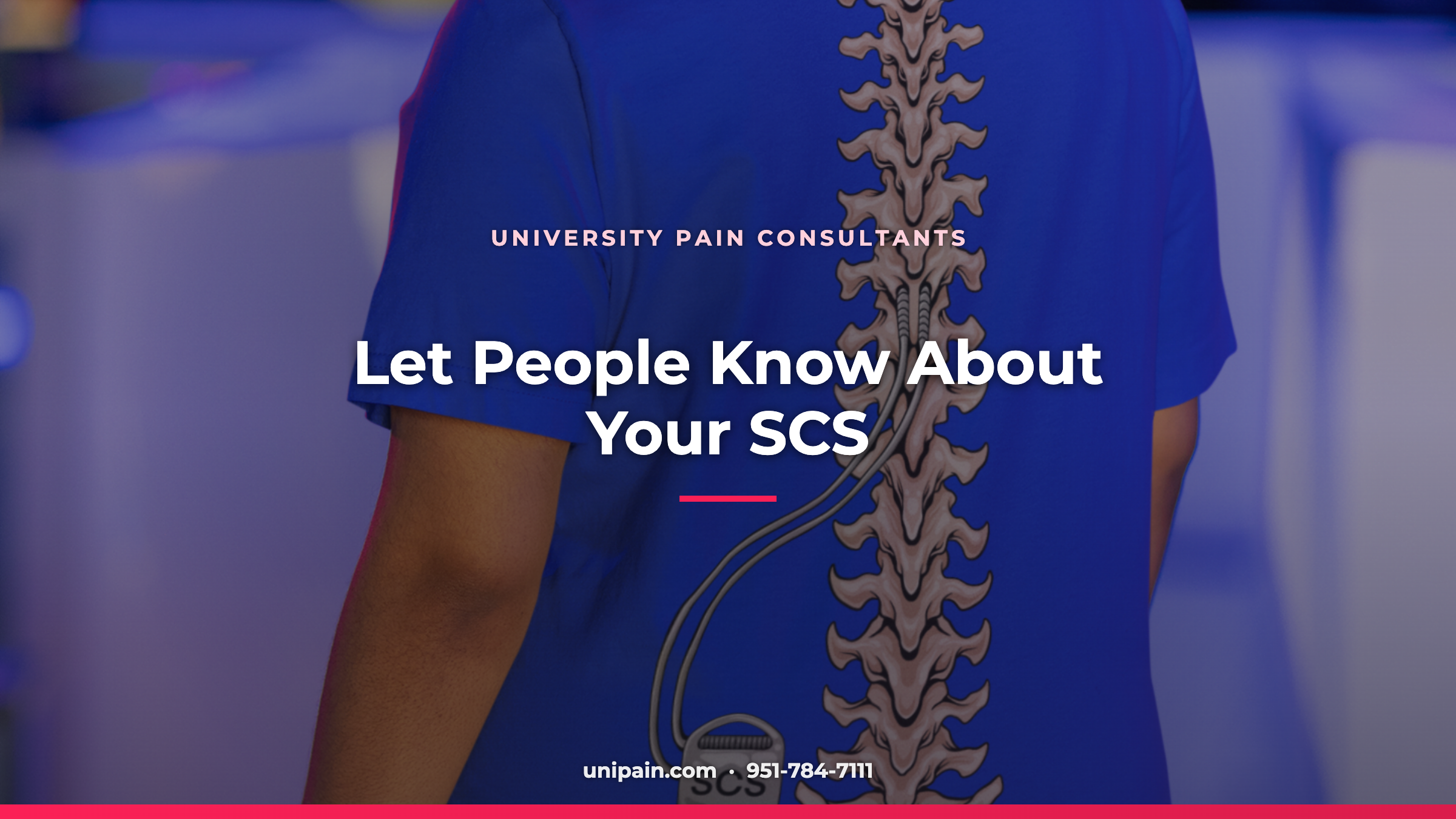

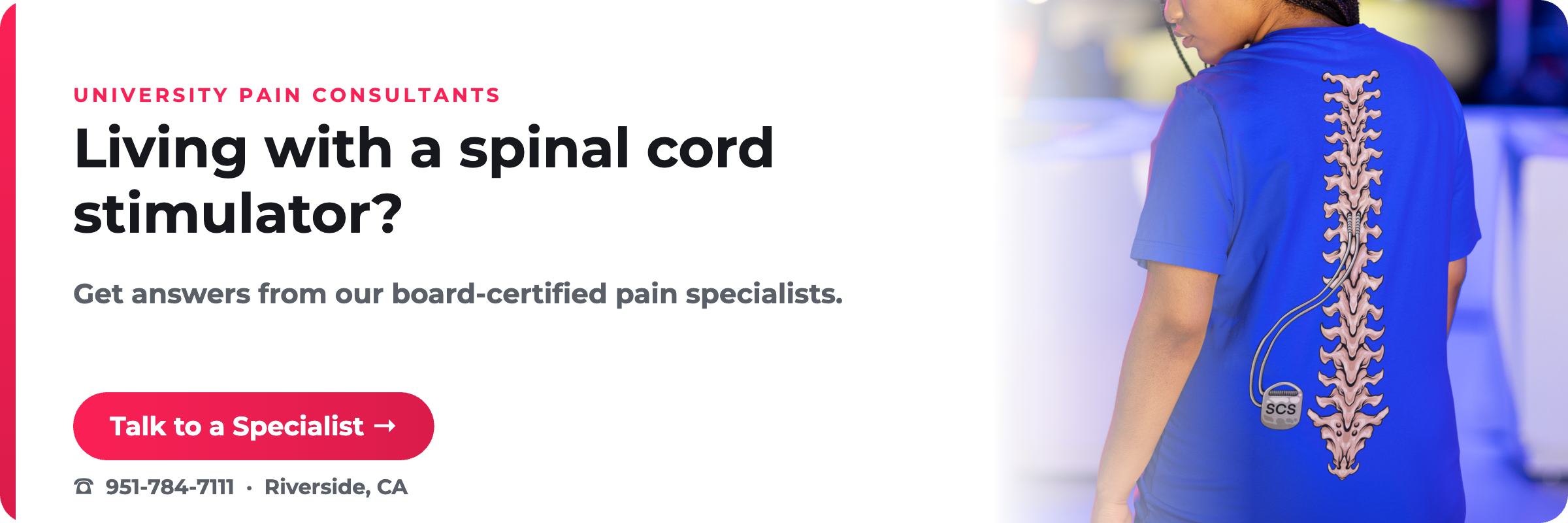
Introducing a unique and educational T-shirt featuring a detailed illustration of a spinal cord stimulator system! This shirt is specially designed for individuals who have undergone spinal cord stimulator implantation, offering them a stylish and informative way to share their experience with others.
Key Features:
- High-Quality Graphic: The T-shirt showcases a vivid, anatomically accurate diagram of a spinal cord stimulator system, highlighting key components like the electrodes, leads, and the implanted pulse generator.
- Educational Tool: It serves as a conversation starter, educating others about this advanced medical technology and its role in managing chronic pain.
- Comfort and Style: Made with soft, breathable fabric, this T-shirt ensures comfort throughout the day while its sleek design makes it a fashionable choice for casual wear.
- Inclusive Sizing: Available in a range of sizes to ensure a perfect fit for everyone.
- Durable Material: Crafted to withstand regular wear and washing, the print retains its clarity and color, making it a long-lasting educational and fashion statement.
- Inspiring Message: This T-shirt not only educates but also inspires, showcasing the incredible technology that aids in pain management and improves quality of life.
Whether you’re wearing it to a casual outing or a special awareness event, this T-shirt is the perfect way to express your journey, spread awareness, and educate others about spinal cord stimulators. It’s more than just apparel; it’s a story, a conversation, and an educational piece rolled into one.
Disclosure:
Unipain.com may earn a commission when you purchase through links on our site. As an affiliate, we only promote products and services that we believe in and use ourselves.


What Is a Spinal Cord Stimulator & Why Awareness Matters
A spinal cord stimulator (SCS) is an implanted device that delivers mild electrical impulses to the spinal cord to interrupt or modify pain signals before they reach the brain. It is typically considered for people with chronic pain conditions such as failed back surgery syndrome, complex regional pain syndrome (CRPS), or persistent sciatica that has not responded adequately to other treatments. Because SCS involves a surgical implantation, it is usually recommended after other conservative and interventional options have been tried.
Despite how common chronic pain is, spinal cord stimulators are not yet widely understood by the general public. Many people living with an implanted device encounter questions, curiosity, or even concern from friends, family members, and strangers. Wearing or sharing materials that explain SCS technology can help reduce stigma, open productive conversations, and let others know that effective, technology-driven options exist for managing chronic pain. Always talk with a qualified pain specialist to learn whether spinal cord stimulation may be appropriate for your specific situation.
If you or someone you know is exploring SCS as a treatment option, a thorough evaluation with an experienced pain management physician is the important first step. The process typically includes a trial period before permanent implantation, allowing you to experience the therapy before committing to the full procedure.
Frequently Asked Questions
Who is a candidate for spinal cord stimulation?
SCS is generally considered for patients with chronic neuropathic pain — such as that from failed back surgery, CRPS, or sciatica — when other treatments have not provided adequate relief. Candidacy involves a thorough evaluation including psychological screening and a temporary trial of the device. Your pain specialist can help determine whether you are a good candidate.
Is it safe to go through airport security or have an MRI with an SCS?
Many modern SCS systems are MRI-conditional, meaning they may be compatible with certain MRI scans under specific settings — but this varies by device and manufacturer. For airport security, it is advisable to carry your device identification card. Always inform any medical provider or security personnel about your implant. Consult your implanting physician or device manufacturer for guidance specific to your model.
Can a spinal cord stimulator be removed if it does not work?
Yes. One of the advantages of SCS is that the device can be removed or adjusted if it does not provide adequate relief or if your condition changes. The trial period before permanent implantation is specifically designed to let you and your care team assess effectiveness before making a longer-term commitment.
Related Reading

Rainier Guiang, MD
Dr. Rainier Guiang co-founded University Pain Consultants in 2007 and is double board-certified in anesthesiology and pain management through the American Board of Anesthesiology. He previously served as co-director of the ACGME-accredited pain management fellowship at University Hospitals of Cleveland / Case Western Reserve University School of Medicine, and has authored chapters in Weiner’s Pain Management. He has a strong interest in interventional, functional, and preventive approaches to chronic pain.