



What the Evidence Actually Says About Epsom Salt and Magnesium
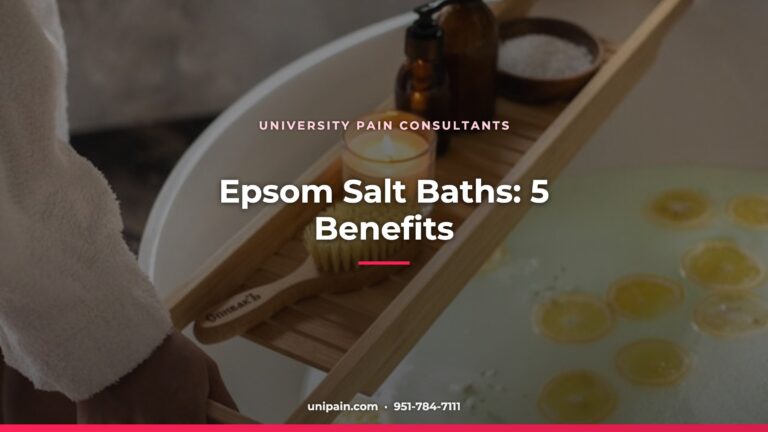
Epsom salt is magnesium sulfate, and the proposed benefits largely hinge on whether magnesium ions can be absorbed through the skin in meaningful quantities. Some small studies and anecdotal reports suggest transdermal magnesium absorption may occur, but the scientific evidence is not yet conclusive. What is well established is that warm water immersion on its own can help relax muscles, improve local circulation, and promote a sense of calm — so some of the reported benefits may stem from the warm bath itself rather than the Epsom salt specifically.
Magnesium does play an important role in muscle and nerve function, and many adults do not reach optimal magnesium intake through diet alone. If you are concerned about magnesium deficiency, speak with your provider about whether oral magnesium supplementation — which has a stronger evidence base — might be appropriate for you alongside other pain management strategies.
Epsom salt baths are generally safe for most healthy adults. However, people with kidney disease, open wounds, or very sensitive skin should consult a physician before using them regularly. As always, a warm soak is a complement to — not a replacement for — professional pain care.
Frequently Asked Questions
How much Epsom salt should I add to a bath, and how long should I soak?
A commonly suggested amount is about one to two cups of Epsom salt dissolved in a standard bathtub of warm water. Soaking for 15 to 20 minutes is a typical recommendation in anecdotal and wellness literature, though there is no single clinically validated protocol. Water temperature should be comfortably warm rather than scalding, especially for patients with circulation issues or diabetes. Discuss any concerns with your pain specialist before starting a new routine.
Can Epsom salt baths help with fibromyalgia or arthritis?
Some patients with fibromyalgia or inflammatory arthritis report that warm soaks — with or without Epsom salt — help ease temporary stiffness and promote relaxation. Evidence specific to Epsom salt for these conditions is limited, and the relief is likely related to heat therapy and stress reduction rather than a proven disease-modifying effect. These baths may be a useful comfort measure as part of a broader treatment plan developed with your physician.
Are there any risks or side effects from Epsom salt baths?
For most healthy adults, occasional Epsom salt baths are considered low risk. Potential concerns include skin irritation in those with sensitive skin, and magnesium toxicity is a theoretical risk with extremely frequent use in people with impaired kidney function. Epsom salt should never be taken orally as a pain remedy without medical guidance, as it can cause severe gastrointestinal effects. If you have any underlying health conditions, check with your provider first.
Related Reading

Rainier Guiang, MD
Dr. Rainier Guiang co-founded University Pain Consultants in 2007 and is double board-certified in anesthesiology and pain management through the American Board of Anesthesiology. He previously served as co-director of the ACGME-accredited pain management fellowship at University Hospitals of Cleveland / Case Western Reserve University School of Medicine, and has authored chapters in Weiner’s Pain Management. He has a strong interest in interventional, functional, and preventive approaches to chronic pain.