Sciatica is a painful condition that affects millions of people worldwide. It is caused by compression or irritation of the sciatic nerve, which runs from the lower back down to the legs. Sciatica can cause a range of symptoms, including pain, tingling, numbness, and weakness in the lower back, hips, and legs. While there are many treatment options available for sciatica, one option that has shown promise in recent years is spinal cord stimulation.
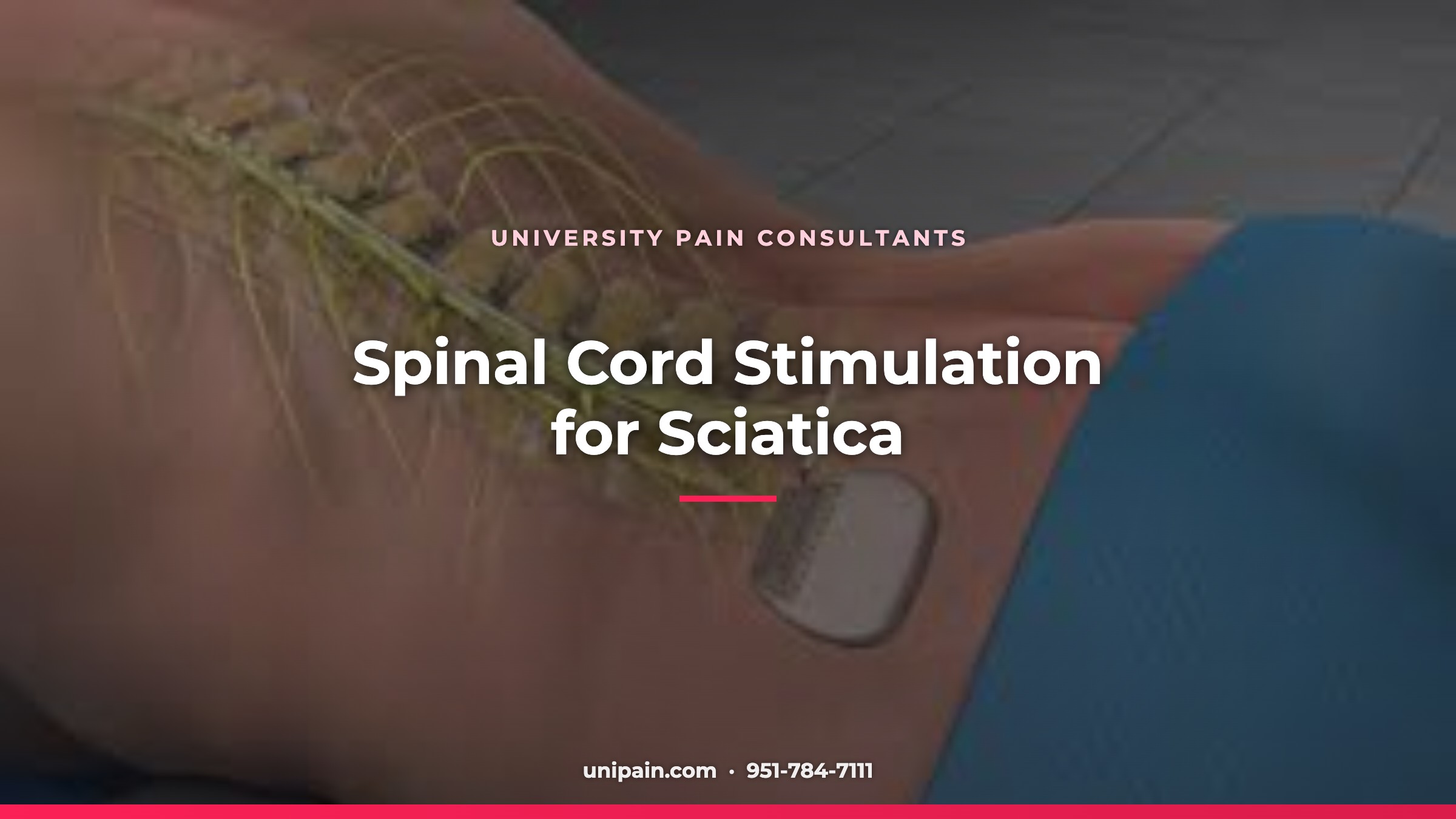
Spinal cord stimulation involves the use of a small device, called a spinal cord stimulator, which is implanted under the skin near the spinal cord. The device delivers electrical impulses to the spinal cord, which can help to block pain signals and provide relief from sciatica symptoms. Spinal cord stimulation is typically recommended for people who have not responded to other treatments, such as medication or physical therapy.
The spinal cord stimulator is made up of three parts: the battery, the leads, and the generator. The battery is the power source for the device, and it is typically implanted under the skin in the abdomen or buttocks. The leads are thin wires that are threaded through the spinal canal and attached to the spinal cord. The generator is the control center for the device, and it is usually worn outside the body, like a pager or cell phone.
One of the main benefits of spinal cord stimulation for sciatica is that it can provide targeted pain relief without the use of medication. This can be particularly beneficial for people who are unable to take pain medication due to side effects or interactions with other medications. Additionally, spinal cord stimulation can provide long-term pain relief, which can improve quality of life and reduce the need for other treatments.
Spinal cord stimulation is typically recommended for people who have chronic sciatica that has not responded to other treatments. It is also often used for people who have had back surgery but continue to experience pain. In some cases, spinal cord stimulation may be used as a first-line treatment for sciatica, particularly in people who are not good candidates for surgery.
While spinal cord stimulation can be an effective treatment for sciatica, it is not suitable for everyone. People who have pacemakers or other implanted devices may not be able to have a spinal cord stimulator implanted. Additionally, spinal cord stimulation is not recommended for people who have untreated psychiatric conditions, as it can exacerbate these conditions.
Spinal cord stimulation is a promising treatment option for people with sciatica who have not responded to other treatments. The procedure involves implanting a small device under the skin near the spinal cord, which delivers electrical impulses to block pain signals. Spinal cord stimulation can provide targeted pain relief without the use of medication, and it can provide long-term pain relief that can improve quality of life. If you are experiencing sciatica symptoms, speak to your doctor to determine if spinal cord stimulation may be an appropriate treatment option for you.
For the current page, see our spinal cord stimulator trial and implant information.
What to Expect Before and After SCS for Sciatica
Patients being evaluated for spinal cord stimulation for sciatica typically go through a structured process before a permanent device is considered. This usually includes a psychological evaluation and a thorough review of prior treatments — such as physical therapy, medications, and any previous surgeries — to confirm that conservative options have been reasonably exhausted. This careful selection process helps identify patients most likely to benefit.
If you are approved, a temporary trial is performed first (as described in our broader SCS explainer). The leads are placed near the spinal cord and connected to an external generator that you wear for several days. You keep a pain diary and track your daily function. A significant reduction in leg and back pain during the trial is a positive sign that the permanent implant may be worthwhile. Talk with your pain specialist about whether your sciatica history and current symptoms make you a reasonable candidate for evaluation.
After a successful permanent implant, most patients require some programming adjustments in the weeks that follow to optimize stimulation settings. Follow-up appointments are an important part of getting the most out of the therapy.
Frequently Asked Questions
Can spinal cord stimulation help sciatica caused by a herniated disc?
SCS is most commonly considered for chronic sciatica that has persisted despite other treatments, including cases where disc pathology was previously addressed surgically but pain continues (sometimes called failed back surgery syndrome). In cases of acute or recently identified disc herniation, other treatments are typically tried first. Your physician will review your imaging and history to assess whether SCS is appropriate for your specific situation.
Will I still need pain medication after a spinal cord stimulator is implanted?
Some patients are able to reduce their reliance on pain medications after a successful SCS implant, though this varies considerably between individuals. SCS is not intended to eliminate medication entirely for every patient, and your pain management team will continue to work with you on an overall treatment plan. Any changes to medications should always be made in close consultation with your provider.
Are there activity restrictions with a spinal cord stimulator?
In the weeks following implant surgery, patients are generally advised to limit bending, twisting, and heavy lifting while incisions heal and leads stabilize. Once cleared by your physician, most everyday activities can typically be resumed. Certain activities and environments — such as MRI scans, security scanners, and contact sports — may require special precautions or device-specific guidance from your implanting physician.
Related Reading

Rainier Guiang, MD
Dr. Rainier Guiang co-founded University Pain Consultants in 2007 and is double board-certified in anesthesiology and pain management through the American Board of Anesthesiology. He previously served as co-director of the ACGME-accredited pain management fellowship at University Hospitals of Cleveland / Case Western Reserve University School of Medicine, and has authored chapters in Weiner’s Pain Management. He has a strong interest in interventional, functional, and preventive approaches to chronic pain.